In an increasingly connected digital environment, the need to understand and manage wireless communication has become more relevant than ever. Devices often referred to as a Signal Blocker are typically discussed in relation to environments where controlling or limiting certain wireless transmissions is required. These systems are usually evaluated based on their ability to operate across multiple frequency ranges while maintaining stable performance in complex signal conditions.
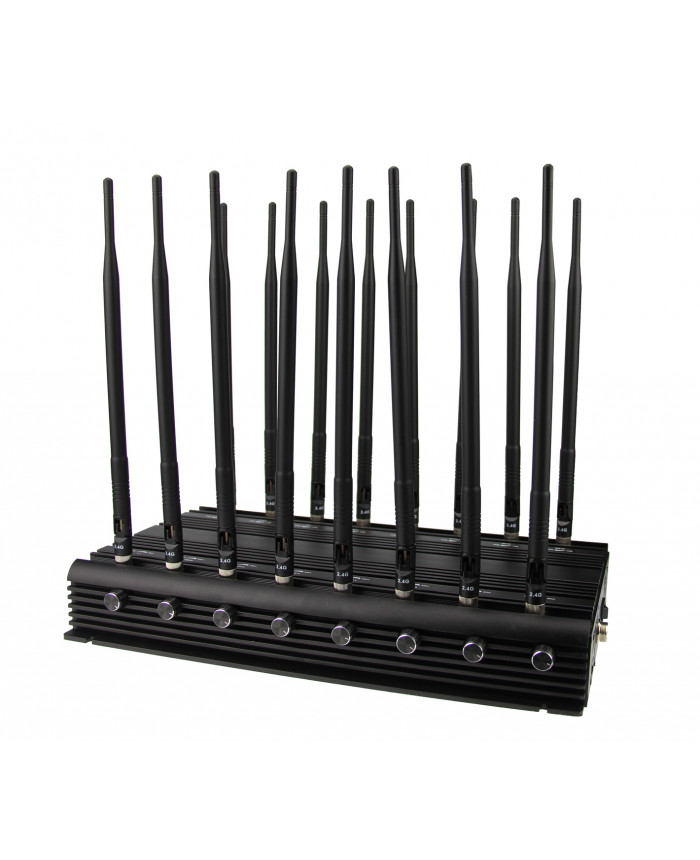
Among multi-band solutions, the concept of the P-US-024 all in one worldwise Blocker is often highlighted for its integrated approach. Instead of relying on separate units for different communication bands, this type of system is designed to combine multiple signal control functions into a single platform. In practical discussions, it is frequently associated with simplifying signal management in environments where various wireless technologies operate simultaneously.
In more specialized technical contexts, frequency-specific equipment plays an important role. For example, systems categorized under UHF VHF Jammer technology are generally associated with handling ultra high frequency and very high frequency bands, which are commonly used in radio communications and broadcasting systems. These solutions are typically evaluated based on how precisely they can address specific frequency ranges without affecting unrelated signals in the surrounding environment.
Navigation-related signal management is another commonly discussed area. In this context, GPS Jammers are often mentioned when describing technologies related to the disruption or control of positioning signals. These systems are typically analyzed in terms of their interaction with satellite-based navigation networks and their role in environments where location signal control is considered necessary for operational or security-related reasons.
From a broader system design perspective, modern signal management tools are increasingly focused on integration and efficiency. Instead of operating as isolated devices, many solutions now aim to combine multiple frequency-handling capabilities into unified structures, improving usability and reducing operational complexity. In this context, a Signal Blocker is often viewed not just as a single-function device but as part of a wider ecosystem of wireless control technologies.
Typical design considerations in such systems may include:
- Multi-frequency coverage within a compact framework
- Centralized control of different communication bands
- Adaptability to environments with overlapping wireless signals
These characteristics are often emphasized when evaluating next-generation signal management platforms.
Looking at more advanced implementations, the P-US-024 all in one worldwise Blocker is sometimes referenced as an example of consolidated architecture. By combining multiple signal handling functions, it reflects a broader industry trend toward integration rather than fragmentation of wireless control systems. This approach is particularly relevant in environments where operational efficiency and simplified configuration are priorities.
Conclusion
In summary, modern discussions around wireless management continue to evolve alongside rapidly expanding communication technologies. A Signal Blocker is often positioned as a foundational concept in this field, while more advanced systems like the P-US-024 all in one worldwise Blocker demonstrate how integration is becoming increasingly important.
At the same time, specialized tools such as UHF VHFJammer systems and GPS Jammers remain relevant for addressing specific frequency ranges and navigation-related signals. Together, these technologies illustrate a broader shift toward more structured, efficient, and adaptable approaches to wireless signal management.
https://www.thejammerblocker.com/shop/